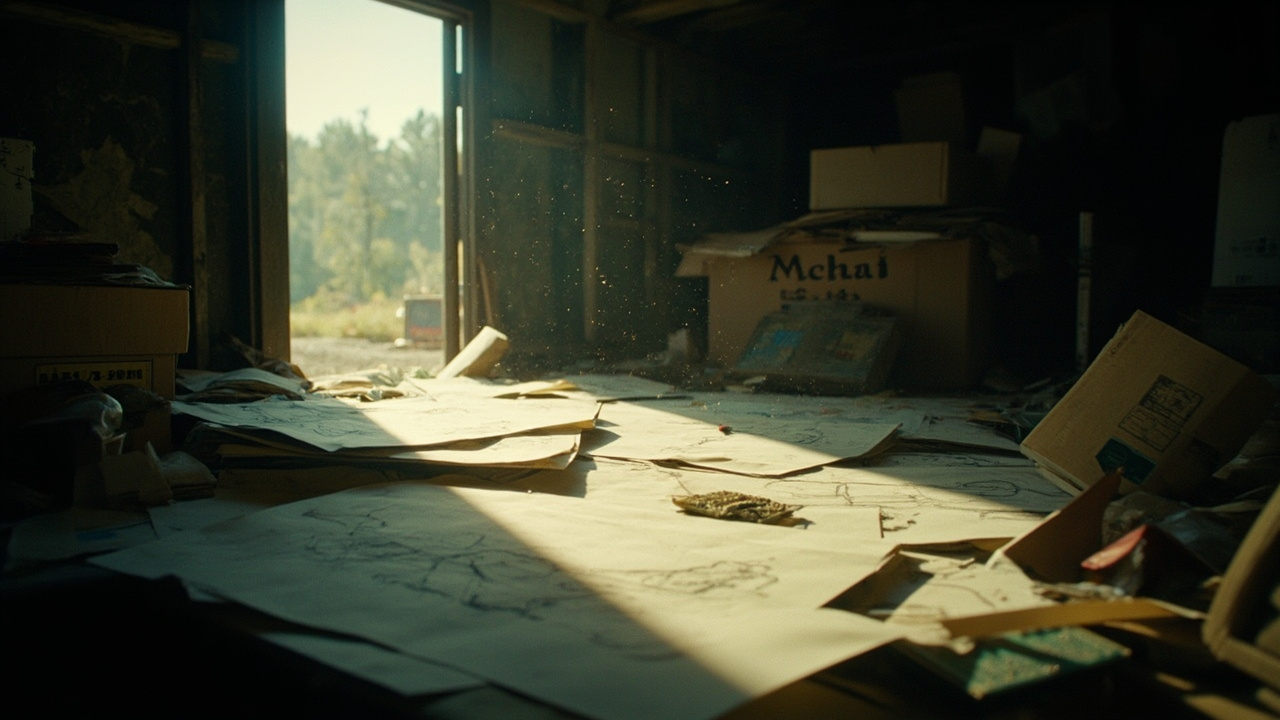
When the Pixel Game Squad YouTube channel bought a storage unit at auction, they expected vintage games, hardware, and maybe some memorabilia. Instead, they found prototypes, concept art, and design documents from games like Contra III: The Alien Wars and Double Dragon—materials that had apparently belonged to a developer named Tom Tanaka. The find has reignited urgent debates about video game preservation—and whether private collectors should hold the keys to gaming history.
The Discovery
Among the haul were design materials for Double Dragon showing level layouts, company paperwork linked to a Terminator project, and layout documents for the Super Nintendo title B.O.B. Computer chips believed to hold unreleased prototypes were also found. These artifacts represent irreplaceable snapshots of early '90s game development, yet their ultimate fate remains uncertain.
Former colleagues have expressed concern over Tanaka's whereabouts. Someone claiming to have worked alongside him at Virgin Games in the early 1990s wrote that they were searching for information about him, concerned about his welfare. Video Game History Foundation director Frank Cifaldi echoed that sentiment on Bluesky: "Consider how one missed payment could expose a person's professional legacy for a few YouTube views before being sold off."
Why Games Are Different
Video games exist in a precarious state compared to other media. Films can be stored on film stock. Books sit on shelves. But game code, unreleased prototypes, and design documentation require specific hardware, software, and expertise to access—and many have already been lost forever.
The discovery highlights a structural gap in gaming culture. Hollywood has the Academy of Motion Picture Arts and Sciences. Libraries have their archives. Game developers often lack institutional support for preserving their work, leaving materials vulnerable once a studio closes or a developer moves on.
Who Wins and Who Loses
The trade-off is real. Collectors often argue they act as unintentional archivists, preserving materials that might otherwise be thrown away. But critics point out that locked-away collections serve neither the public nor future historians. Comments on the YouTube video called for the materials to go to museums or the Video Game History Foundation. One viewer wrote that historical documents "are gathering dust in private hands where they're treated as commodities."
In this case, Cifaldi's organization—operating on donations and volunteer effort—had no opportunity to intervene before the auction closed.
Who Should Care
- Game historians and researchers**: Design documents and prototypes offer rare insights into creative decisions and abandoned directions.
- Active developers**: Without clear preservation pathways, their own work may face similar fates.
- Preservation organizations**: Incidents like this highlight the need for better legal frameworks and funding.
- Collectors**: Those who genuinely care about gaming history might consider how to balance private passion with public access.
Key takeaways
- Storage units and estate sales are common sources of lost game development materials
- Developer documentation has significant historical and educational value
- Private collectors often inadvertently remove important materials from public access
- Organizations exist to preserve gaming history but need support
- The absence of institutional preservation pathways leaves developer legacies vulnerable
Frequently asked questions
What games were mentioned in the storage unit discovery?
Materials included documentation for Contra III: The Alien Wars, Double Dragon, Terminator, and B.O.B. On Super Nintendo.
Who is Tom Tanaka?
A developer credited as a level designer on The Terminator for Sega CD and an animator on Double Dragon for Sega Game Gear.
What is the Video Game History Foundation?
A nonprofit organization dedicated to preserving video game history through archiving, research, and education.
Why are video games harder to preserve than other media?
Games require specific hardware and software to run, and many unreleased prototypes exist only on proprietary development hardware that may no longer function.
What can someone do if they find game development materials?
Contact preservation organizations or universities with game studies programs before selling to private collectors.